
Every year, organizations launch new keepsakes hoping they will resonate with supporters, visitors, and customers. Some sell out in weeks and become annual traditions, while others move more slowly.
So, what separates the two?
It’s not luck, and it’s not just a great design.
The most successful keepsake programs combine meaningful storytelling, emotional connection, thoughtful design, and consistent promotion. Together, these elements turn a simple product into a lasting reminder of a place, tradition, cause, or experience.
In this blog, we’ll break down six key traits that consistently drive engagement and sales:
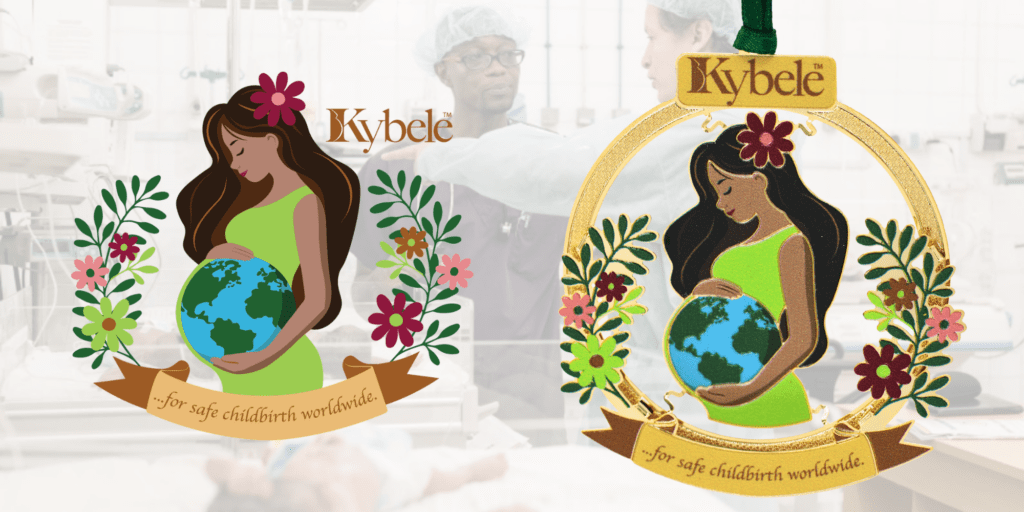
1: A Meaningful Story
There are dozens of factors that affect shopping decisions, but people buy products for mainly two reasons: necessity and desire. Keepsakes are rarely purchased because they’re needed. People buy them because they represent something meaningful in that person’s life. Every great keepsake represents an even greater story.
When looking to create a custom ornament, the first questions you should ask yourself are: What story will this piece tell? What aspect of our organization will this keepsake represent? This may require some deep thinking, but for others the answer will be right in front of them. Examples of good stories to tell through your keepsake are:
- The town’s 4th of July festival that happens yearly
- An organization’s 50th anniversary
- A historic theater
- A popular, long-time tradition
- A fundraiser supporting veterans
When people look at your keepsake, it should remind them of a story that holds significance in their life—so much so that they decide to bring that story home with them.
2: Instant Recognition
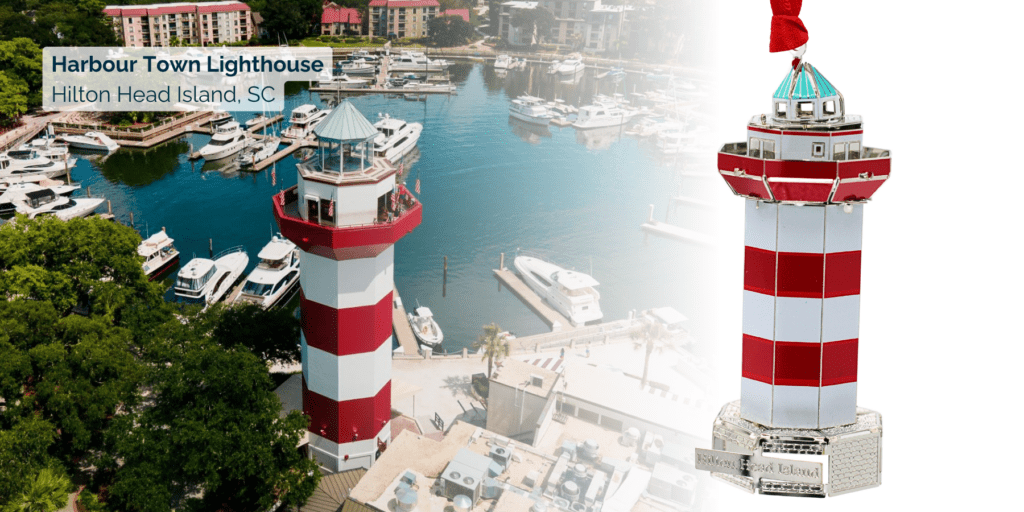
When people see or experience something that brings them happiness, it stays with them. The most memorable things don’t even need to be fully revealed to be recognized; sometimes a silhouette or a single color is enough. The best keepsakes can be instantly understood by the right audience. When crafting your keepsake, ask yourself: What image, symbol, or detail would someone recognize and feel connected to just as quickly? This could be:
- The lighthouse that visitors stop to see
- The mascot for your school or organization
- The historic church in your town
- The campus building where everyone takes classes
There are plenty of familiar places, people, or things you could turn into a custom ornament. Creating a complex design won’t guarantee it performs best, but recognizable ones usually do.
At Beacon Design, some of the most successful projects start by identifying the one symbol, landmark, or tradition that instantly connects with an audience.
3: Sentimental Value
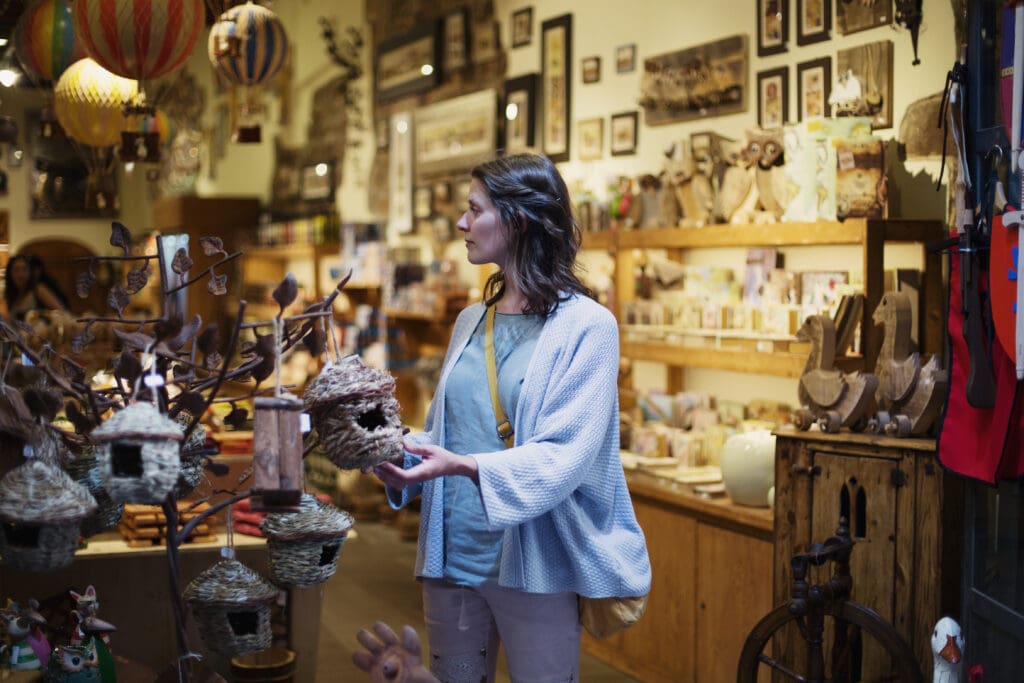
We previously mentioned that people buy products out of necessity or desire, but there’s a third motivator that’s especially important for keepsakes: personal attachment. Products with sentimental value tend to perform well because they’re more than a want or a need—they’re tied to memories, experiences, and stories people care about. Custom keepsakes give people a tangible way to hold onto those meaningful moments. Whether they’ve visited, graduated, donated, worshipped, served, or celebrated, a keepsake becomes a lasting reminder of a special place or experience.
The stronger the emotional connection, the more likely people are to cherish and purchase the piece.
4: Scarcity & Tradition
People place a higher value on things that feel exclusive or difficult to obtain. So, when people find out that something is of limited quantity or time, it generates a strong demand because there is a sense of urgency to buy it before it runs out.
The same effect can happen with custom keepsakes. Partnered with a conventional release cycle, organizations can create FOMO (Fear of Missing Out) around their keepsake and have people race to purchase it. The highest-performing programs often:
- Release annual editions
- Have a numbered series
- Hold limited quantities
- Create special editions
When planning your keepsake program, think about balancing between a tradition that everyone wants to be part of and an exclusive item that only few can enjoy.
5: Narrative Marketing
This is where many organizations can curb the potential of their keepsake. While the design gets most of the attention, promoting the story and meaning helps to drive results. To create demand, you need to communicate why the keepsake matters and why it deserves a place in someone’s home or collection. No matter how stunning your keepsake is, it needs maximum visibility to generate excitement, which later turns into sales.
Familiarity builds trust. The more often people encounter a keepsake and hear its story, the more likely they are to remember it and eventually purchase it. The campaign to market your custom keepsake needs to be consistent, continuous, and comprehensive. Leave no stone unturned and look to reach your audience where they are. Discuss strategies and styles with your team about utilizing different mediums, like:
- Email blasts or newsletters
- Social media
- Paid advertisement
- Physical signage
- Events
- Word-of-mouth
The best keepsakes aren’t just designed well—they’re promoted well and thoroughly.

6: Ease of Purchase
The easier and more accessible a product is to purchase, the more likely it is to sell. While that might seem obvious, it can be overlooked by some organizations selling their keepsake. Unless you have a high-traffic physical location, it’s important to make your product available across multiple sales channels.
Keepsakes are often emotional, impulse-driven purchases. The more immediate and convenient the buying experience, the higher the likelihood of conversion.
Selling keepsakes online is an excellent idea for reach and accessibility but also think about timing your piece with special events that align with the keepsake’s story. If your keepsake is modeled after a church, sell it after Sunday service. If your keepsake commemorates the anniversary of a town, sell it at the town parade or a public event.
Look to reduce the friction or number of steps it takes to purchase your keepsake.
Conclusion
The keepsakes that sell out aren’t always a specific finish, dimension, or price. More often, they’re the ones that tell a meaningful story, create an emotional connection, and give people a tangible way to remember a place, experience, or tradition.
No keepsake is guaranteed to succeed, even the strongest of concepts can underperform if the audience, timing, pricing, promotion, or time to sell isn’t aligned. However, when the right story, thoughtful design, and strong strategy come together, your keepsake has a much better chance of becoming something people want to own.
If you’re ready to create a keepsake that captures the spirit of your organization and resonates with your audience, the team at Beacon Design can help guide you from concept to completion.